I’ve Taught English for Almost 20 Years — Here’s What I’ve Learned
After nearly 20 years of teaching English, the biggest lessons aren’t about grammar or activities — they’re about presence, confidence, relationships, and how students feel in your classroom. Great teaching is human first, technical second.
A Lesson Almost 20 Years in the Making
Teaching English is one of those jobs nobody is fully prepared for until they’re standing in front of real students.
You can study methodology.
You can earn certificates.
You can plan the perfect lesson.
But nothing truly prepares you for that first classroom.
After almost two decades teaching English to learners of all ages and levels, here’s what experience — not theory — has taught me.
What I’d Tell My Younger Teacher Self
Great teaching isn’t about being perfect.
It’s about being present, confident, and human.
This simple truth took me years to fully understand.
Below are the lessons I learned the hard way — inside real classrooms, with real students.
Lesson 1: You Don’t Need to Be Perfect. You Need to Be Present.

When I started teaching, I believed everything had to be flawless:
Perfect explanations
Perfect boardwork
Perfect timing
But students don’t remember perfection.
They remember the connection.
They remember:
A teacher who listened
A teacher who smiled
A teacher who made mistakes — and didn’t panic
Some of my best lessons were messy.
Some of my most perfectly planned lessons failed completely.
👉 Presence beats perfection. Every time.
Lesson 2: It’s Not the Activity — It’s How You Run It
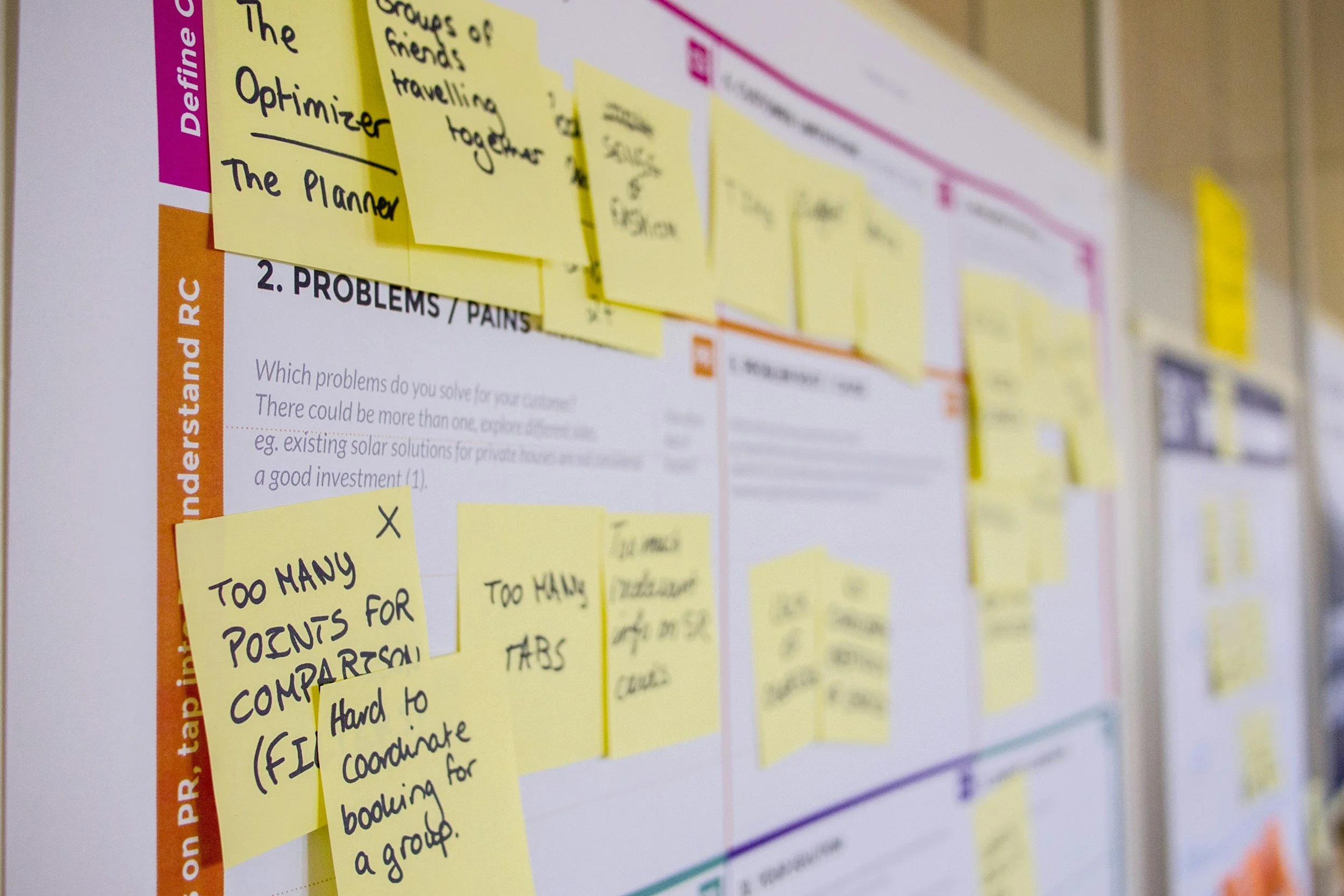
Teachers love hunting for the “magic activity”.
Here’s the truth:
A mediocre activity with a confident teacher beats a brilliant activity with an unsure one.
Your students respond to you:
Change your energy → students follow
Change your tone → students respond
Change your instructions → students succeed
The teacher makes the activity — not the other way around.
Lesson 3: Your Body Language Teaches Before You Speak
Students look at you before they listen to you.
Confident posture → confident students
Clear gestures → clearer understanding
Stressed facial expressions → stressed classroom
Teaching is a performance — not a fake one, but a supported one, where your body reinforces your message.
Love these tips? Learn how to design full professional lessons.
Our TESOL program trains teachers with hands-on classroom practice and international certification.
Lesson 4: Relationships Beat Grammar Every Time

Early in my career, I obsessed over grammar explanations.
Then I noticed something uncomfortable but powerful:
Students learn better when they like their teacher.
When students feel safe:
They take risks
They ask questions
They try harder
They forgive your mistakes — and their own
💡 Motivation is emotional first. Academic second.
Lesson 5: Silence Isn’t Failure — It’s Processing
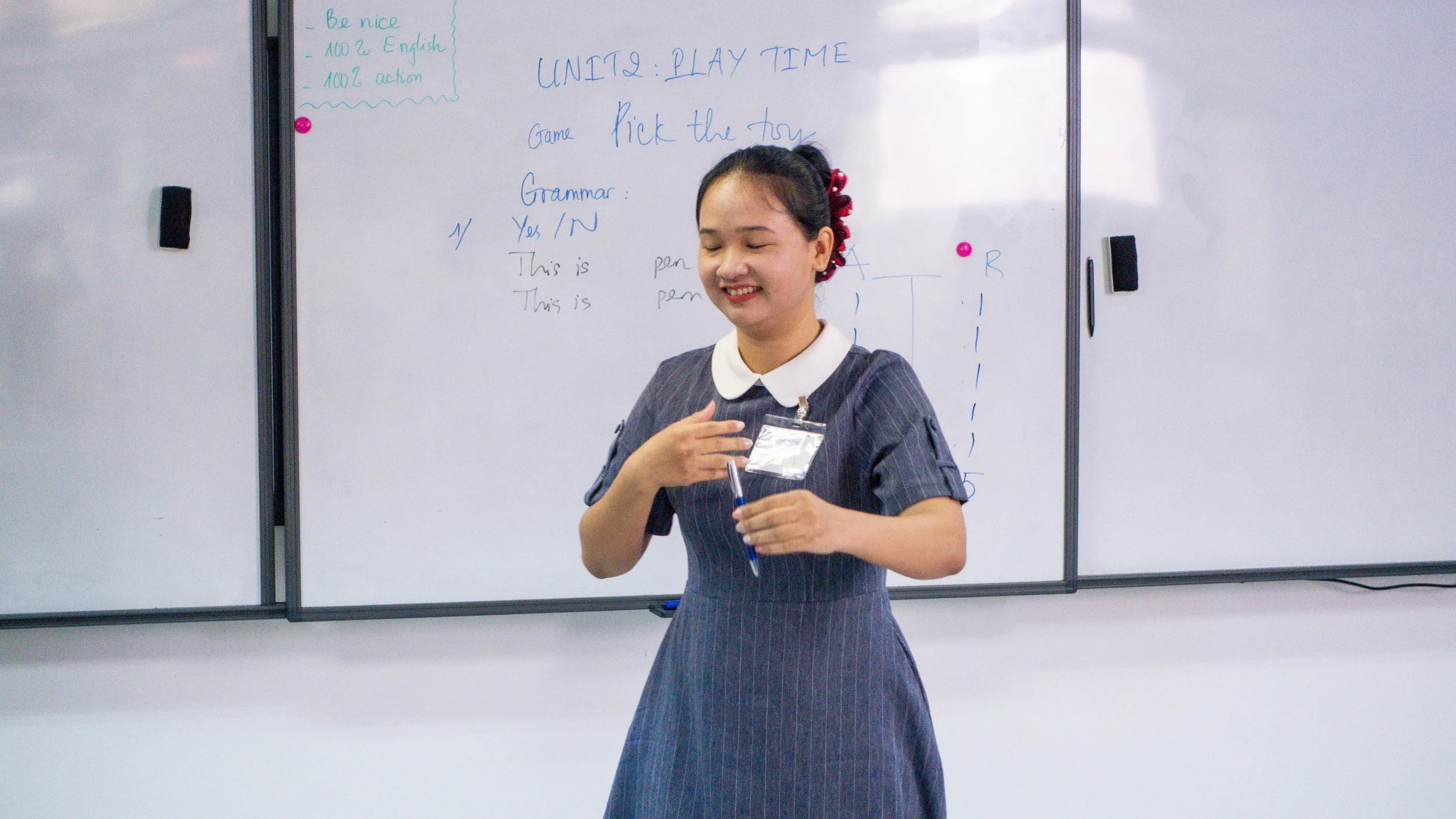
New teachers panic when students go quiet.
I used to think: “They’re bored. I’m failing.”
But silence is:
Thinking time
Processing time
Confidence-building time
Don’t rush to fill every gap.
Give students space — their English needs room to breathe.
Lesson 6: Students Remember How You Made Them Feel

I’ve forgotten hundreds of “perfect” lessons.
But I remember:
A shy student answering confidently
A learner finally pronouncing a difficult sound
A quiet “Thank you, teacher” at the door
Teaching is built on tiny human victories.
Not worksheets.
Lesson 7: You Never Stop Learning

After almost 20 years, I’m still learning:
New methods
New classroom games
New technology
New ways to connect
Teaching will humble you.
It will challenge you.
But it will also grow you — if you let it.
You don’t become a great teacher and stop.
You become a great teacher by never stopping.
Teaching English Is About People — Not Just Language
After nearly two decades, here’s what I know for sure:
Teaching isn’t just about English.
It’s about people.
It’s about patience.
It’s about progress — not perfection.
Thinking About Teaching English or Improving Your Skills?
If you’re:
New to teaching ESL
Feeling unsure in the classroom
Looking to become more confident and employable
We’d love to support your journey at Inspire Training & Development.
👉 Explore our internationally recognised TESOL courses (online and in-class) and learn how to teach with confidence — not fear.