5 ESL Activities That Fail (And What to Do Instead)
Not all classroom activities are created equal—and some can quietly sabotage your lesson without you even realizing it.
If your students look bored, confused, or disengaged, the problem might not be your teaching ability—it could be the activity itself.
In this guide, we break down five common ESL activities that often fall flat—and show you exactly how to fix them so your lessons become more dynamic, effective, and engaging.
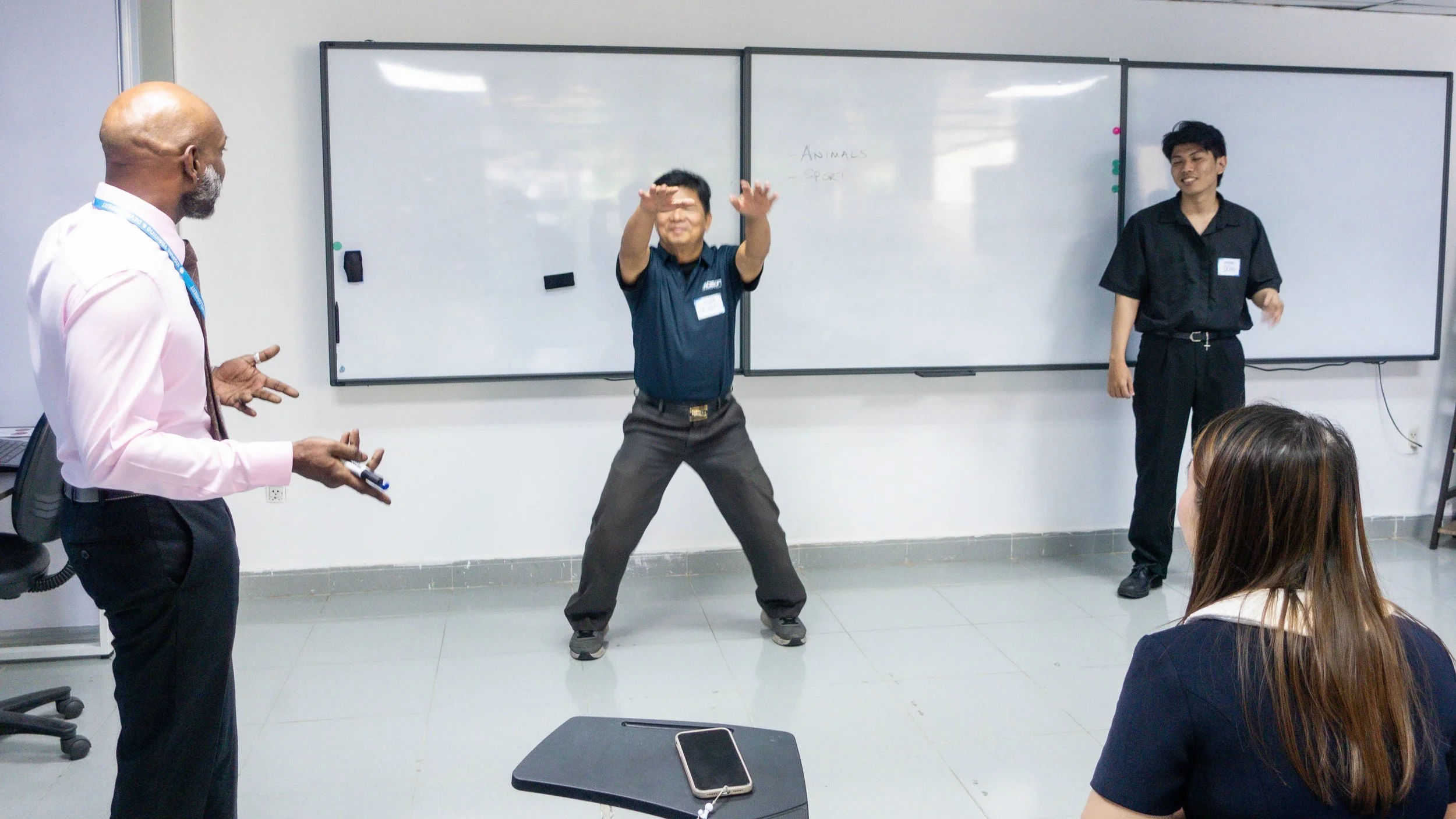
- Why some ESL activities fail in real classrooms
- How to adapt common activities for better engagement
- Practical strategies to boost student participation
- How to build confidence as a new ESL teacher
Why Some ESL Activities Just Don’t Work
It’s easy to rely on popular ESL activities you’ve seen online. But without the right structure or adaptation, these activities can quickly lose their impact.
Students may not understand the instructions, feel too shy to participate, or simply not see the point of the task.
That’s where proper training makes the difference—knowing not just what to teach, but how to teach it effectively.
1. Open-Ended Discussion (Without Support)
Throwing students into a discussion without scaffolding often leads to silence.
Fix it: Provide sentence starters, vocabulary support, and clear roles so students know exactly what to say and do.
2. Overcomplicated Games
If it takes longer to explain the game than to play it, you’ve already lost your class.
Fix it: Keep instructions simple and model the activity before starting. Demonstration beats explanation every time.
3. Worksheets That Feel Like Tests
Worksheets can feel passive and intimidating—especially for lower-level learners.
Fix it: Turn them into interactive tasks by adding pair work, movement, or speaking elements.

4. Teacher-Dominated Activities
If you’re doing most of the talking, students aren’t getting enough practice.
Fix it: Shift to student-centered activities where learners speak, interact, and produce language.
5. Activities Without a Clear Outcome
Students need a purpose. Without it, engagement drops fast.
Fix it: Set clear goals—whether it’s completing a task, solving a problem, or presenting something.
Quick Wins to Improve Any ESL Activity
- Always model the activity first
- Keep instructions short and clear
- Use pair and group work to maximize speaking time
- Adapt activities to your students’ level
- Focus on participation, not perfection
Our in-class TESOL course gives you hands-on experience with real students, guided by expert trainers.
Why Proper Training Changes Everything
Knowing activities isn’t enough—you need to understand how to deliver them effectively in a real classroom environment.
At Inspire Training & Development, we focus on practical teaching skills that you can apply immediately. You’ll learn how to manage a class, engage students, and adapt activities on the fly.
Most importantly, you’ll build the confidence that every ESL teacher needs to succeed—whether you’re teaching locally or abroad.
Final Thoughts
Every teacher has used an activity that didn’t go as planned. That’s part of the journey.
The key is learning how to adjust, improve, and grow from those experiences.
With the right techniques and training, even the simplest activities can become powerful learning tools.
Get internationally certified and gain real classroom experience with our practical TESOL training.