
Requirements to Teach English in Vietnam (2026 Guide)
Vietnam remains one of the most attractive destinations in Asia for English teachers. There is still strong demand in language centres, public schools, and other educational settings, but schools are increasingly more careful about qualifications and paperwork.
If you are planning to work as an English teacher in Vietnam, it is important to understand what employers and authorities usually require before you apply. In this guide, we explain the qualifications, documents, school types, and practical points that teachers should know before starting their journey.

Minimum Requirements to Teach English in Vietnam
In many cases, schools and language centres in Vietnam expect teachers to have a combination of academic qualifications, teaching certification, and legal documents. Exact requirements can vary depending on the employer, but the most common expectations are fairly consistent.
- A university degree in any subject is commonly required, especially for work permit purposes.
- A recognised teaching qualification such as TESOL, TEFL, or CELTA is usually expected by reputable employers.
- Strong English proficiency is essential, whether you are a native speaker or a highly proficient non-native speaker.
- Supporting legal documents such as background checks and health checks may also be needed depending on the school and visa process.
Some smaller employers may appear more flexible, but teachers who have the correct documents in place usually access better opportunities and experience fewer complications later.
Work Permit and Document Requirements
One of the most important parts of teaching legally in Vietnam is making sure your paperwork is prepared properly. Schools may ask for several verified documents when processing a work permit or employment file.
Documents commonly requested include:
- university degree
- teaching certificate such as TESOL, TEFL, or CELTA
- criminal background check
- health check
- passport and other identity documents
In some cases, these documents must be notarised or legalised before they can be accepted by the authorities.

One document that many new teachers overlook is the legalised copy of their teaching certificate. When schools process work permits, they may require a version of the certificate that has been officially verified.
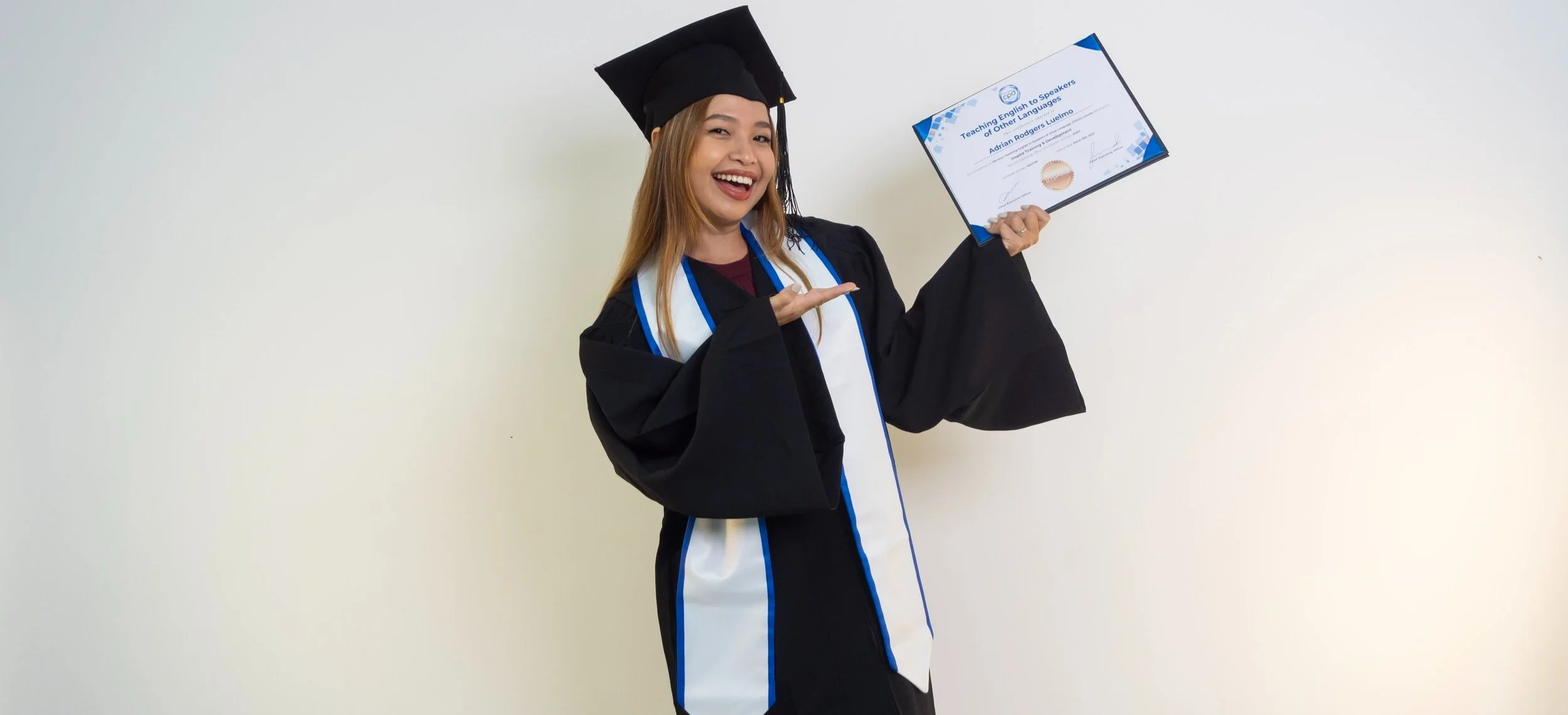
For this reason, Inspire Training & Development provides trainees with a copy of their original TESOL certificate that has already been legalised by the Department of Foreign Affairs. This service is provided free of charge and helps international trainees avoid the time, cost, and complications of arranging this process themselves when preparing paperwork to work in Vietnam.
Native and Non-Native Teachers in Vietnam
Many people wonder whether Vietnam hires only native speakers. The reality is more nuanced. While some employers may still show a preference for native speakers, many schools and centres also hire non-native teachers who have strong English ability, professional confidence, and the correct qualifications.
In practice, schools tend to care about a combination of factors:
- English proficiency
- teaching skills
- professional attitude
- relevant certification
- ability to manage and engage a class effectively
For many teachers, this means that practical training and confidence in the classroom can be just as valuable as background alone.
Types of Schools Hiring in Vietnam
Vietnam has several major teaching environments, each with slightly different expectations. Understanding where you want to work helps you prepare the right qualifications and choose the right training path.
| School Type | Typical Requirements | Notes |
|---|---|---|
| Language Centres | Degree + TESOL / TEFL / CELTA | Popular entry point for many new teachers |
| Public Schools | Degree + teaching certificate | Often large classes and agency-based placements |
| Semi-International Schools | Degree + certification + some experience | Usually smaller classes and better salaries |
| International Schools | Teaching licence and strong experience | Most competitive and highest expectations |
For many first-time teachers, language centres and public schools are the most realistic starting points. Over time, teachers with stronger qualifications and more experience may move into better paid or more specialised roles.
Get Ready to Teach English in Vietnam
Build practical classroom skills and gain a recognised TESOL qualification with a free legalised certificate copy to support your Vietnam paperwork.
Common Mistakes Teachers Make
Many new teachers focus on finding a job quickly, but overlook important details that can create stress later. A few common mistakes come up again and again.
- choosing the cheapest certificate instead of the most useful one
- ignoring whether the certificate can support legal paperwork requirements
- assuming strong English alone is enough to teach well
- not preparing documents early enough
- accepting a role without understanding the type of school or class size
Good preparation reduces these risks. A recognised course, practical training, and correctly prepared documents can make the move into teaching in Vietnam much smoother.
Frequently Asked Questions
Do you need a degree to teach English in Vietnam?
In many cases, yes. A university degree is commonly required for work permit purposes and is expected by many reputable employers.
Can non-native speakers teach English in Vietnam?
Yes. Many schools hire non-native speakers with strong English proficiency, recognised teaching certification, and good classroom skills.
Do you need a TESOL certificate to teach in Vietnam?
Most reputable employers expect a recognised teaching qualification such as TESOL, TEFL, or CELTA. It is one of the most common requirements in the market.
Why is legalisation of the certificate important?
Some schools and authorities require a legally verified version of your certificate as part of work permit or employment paperwork. Preparing this early can save time and stress later.
Get Free Resources for Your First ESL Classes
Download practical lesson materials and receive useful teaching ideas as you prepare for your move to Vietnam.
Get Free Teaching Resources

