
Teaching English in Vietnam: Jobs, Salary and Requirements
Teaching English in Vietnam remains one of the most attractive options for teachers who want to live abroad while building a career in education. Vietnam has a large ESL industry, strong demand for teachers, and a wide variety of teaching environments.
Whether you are planning to relocate or you are already here and want to understand the market better, this guide will help you explore the reality of teaching English in Vietnam, from job types and salary expectations to the qualifications schools usually look for.

Why Teaching English in Vietnam Still Appeals to Teachers
Vietnam continues to be an appealing destination for English teachers because the demand for English education remains strong. Parents, schools, and training centres all place high value on English, especially in major cities such as Ho Chi Minh City and Hanoi.
There are thousands of language centres across the country, and English continues to play an important role in the national education system. That means there are still many opportunities for people interested in English teaching jobs in Vietnam.
For many teachers, the appeal comes from the balance of opportunity and lifestyle. Salaries can be attractive compared with the cost of living, and Vietnam offers a vibrant environment for people who want to grow professionally while living abroad.


The Four Main Types of English Teaching Jobs in Vietnam
1. Language Centres
Language centres are one of the most common entry points for foreign teachers. They usually teach children, teenagers, and sometimes adults, with classes often taking place in the evenings and at weekends.
2. Public Schools
Public schools are often a popular route for newer teachers. Demand is high, but class sizes can be large and classroom management is often a real challenge if you are not well prepared.
3. Semi-International Schools
These schools usually combine Vietnamese curriculum requirements with international standards. They often offer smaller classes, more support, and slightly higher salaries than public schools.
4. International Schools
International schools are often the most competitive option, with better facilities, smaller classes, and stronger benefits, but they also expect more qualifications and experience.
English Teacher Salary in Vietnam
One of the main reasons people consider teaching English abroad in Vietnam is the earning potential. Exact pay depends on your qualifications, experience, and the type of school you work for, but the ranges below provide a realistic overview.
| School Type | Typical Pay | What to Expect |
|---|---|---|
| Language Centres | $18 to $25 per hour | Evenings, weekends, smaller classes, materials often provided |
| Public Schools | $15 to $20 per hour | Larger classes, agency placement, multiple schools possible |
| Semi-International Schools | $2,000 to $3,000 per month | Mixed curriculum, smaller classes, broader teaching duties |
| International Schools | $2,000 to $4,000 per month | Better facilities, smaller classes, stronger benefits |
This means that English teacher salary in Vietnam can be appealing, especially when compared with everyday living costs. Many teachers are able to live comfortably and still save money depending on their role and lifestyle.
Planning to Teach English in Vietnam?
Build practical classroom skills and gain a recognised TESOL qualification before stepping into your first classroom.
Requirements to Teach English in Vietnam
If you are researching the requirements to teach English in Vietnam, most employers look for a similar combination of qualifications and documents.
- A university degree is commonly required for work permit purposes, even if the degree is not in education.
- A TESOL, TEFL, or CELTA qualification is usually expected, especially by more established schools and centres.
- Strong English proficiency is essential. Native speakers are often preferred, but many schools will consider strong non-native candidates.
- A clean background check and legalised documents are often part of the visa and work permit process.
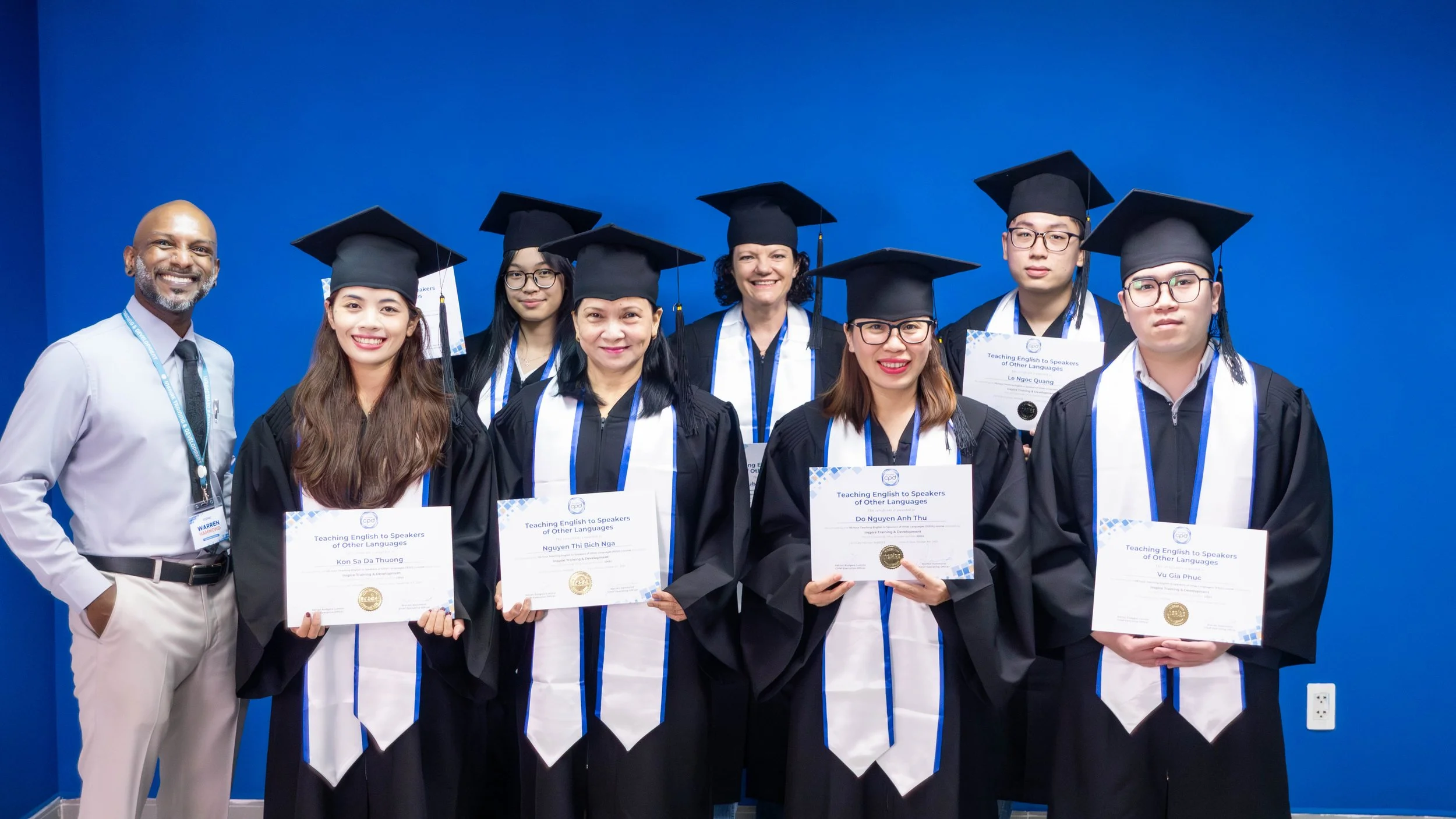
If you do not yet have a teaching qualification, completing a TESOL certification course can help you become more competitive and much better prepared for real classroom situations.
Challenges New Teachers Should Expect
Many people imagine that teaching abroad is simply about arriving, finding a job, and starting work. In reality, the day-to-day experience of teaching English in Vietnam can vary a lot depending on the school type and your level of preparation.
In public schools, large classes and limited support can be overwhelming. In language centres, teaching schedules are often concentrated in the evenings and at weekends. Some schools provide excellent support systems, while others expect teachers to solve challenges independently.
That is why practical training matters. Skills such as classroom management for ESL teachers can make a huge difference to confidence and performance in the first few months.


Why Teacher Training Matters Before You Teach Abroad
Many teachers come to Vietnam with the right motivation but without enough practical preparation. A good TESOL course should help you with more than just theory. It should prepare you for real classroom situations, real students, and real challenges.
At Inspire Training & Development, we focus on practical teaching skills, structured guidance, and support that helps teachers feel more ready to teach with confidence. Whether you are planning to work in a language centre, public school, or another setting, strong training helps you start much better.
You can also explore our Online TESOL Course if you want a flexible option before relocating.
Get Free Resources for Your First ESL Classes
Download practical lesson materials and receive useful teaching ideas as you prepare for your move to Vietnam.
Get Free Teaching ResourcesFrequently Asked Questions About Teaching English in Vietnam
Do I need a TESOL certificate to teach English in Vietnam?
In many cases, yes. Most reputable employers expect a TESOL, TEFL, or CELTA qualification, especially if you want better opportunities and stronger professional credibility.
Can non-native speakers teach English in Vietnam?
Yes, some schools and centres do hire non-native speakers with strong English ability, relevant qualifications, and professional confidence.
Is Vietnam a good place for new ESL teachers?
Yes, Vietnam can be an excellent place to start, especially because there are multiple entry points into the market. Practical classroom preparation makes a huge difference.
What is the best first job for a new teacher in Vietnam?
That depends on your confidence, schedule, and qualifications. Many newer teachers begin in language centres or public schools before moving into other roles later.
Final Thoughts
Teaching English in Vietnam can still be a rewarding professional and personal move. The country offers a wide range of teaching opportunities, from language centres to public schools and international schools, and each path comes with its own advantages and challenges.
If you are planning to relocate or want to strengthen your teaching skills before applying, visit us at Inspire Training & Development. We love supporting current and future teachers as they grow in confidence and professionalism.


